Just another Sleddoggin.com Blogs weblog


The Benefits of Lasik Eye Surgery

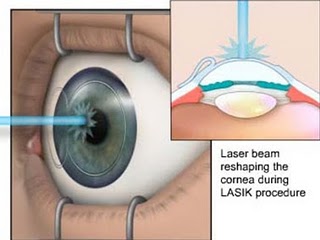
Lasik has an incredibly high success rate, and many more people opt to have Lasik every year. Even in this bad economy the price of Lasik goes up more every year. Some people may fear having a surgeon poke and proud in ones eyes but the fact is that surgery is known to last twenty minutes at most. Besides the procedure being very short most patients and surgeons agree that the only thing felt during the surgery is a bit of pressure on the eye as if someone was pushing down on their eye. During the surgery the surgeon will add numbing drops to the eye and have it held open with two prong like devices and it should be more or less painless, however doctor Andrew caster MD says patients complain of feeling a bit of an uncomfortable feeling but generally no pain and the procedure is always done faster than the patient expected. Apart from Lasik being a very simple surgery with minimal risk because of new technology it also has great benefits including:

  • Freedom- Studies have shown that most Laser vision correction Beverly Hills patients have 20/20 to 20/40 vision, this is enough to eliminate the worry of losing or breaking glasses and having to fill expensive contact prescriptions. Although Lasik is a costly option after some time of filling contact prescriptions the amount of money spent is the same. One does not have to worry about things like swimming or golfing with the worry of glasses or contact there eyes will be free and clear.
  • Immediate results- Most patients can see a vast amount of difference in their eyesight immediately following surgery. The patients eyesight will continue to improve every day as they heal.
  • Quick procedure-As I mentioned above the procedure is safe and quick. Most surgeons say it last the duration of fifteen minutes.
  • Improved confidence- Many Beverly Hills Lasik patients say after their Lasik surgery they experience everything feeling a completely new away about it. Surveys and research have shown that seeing clearly can make a person more outgoing and comfortable in social situations boosting their confidence levels.

Lasik is not the only laser vision correction procedure that can have great results. Some may not qualify for Lasik due to weak and fragile corneas or extreme dry eyes and for those there are other procedures that can be done for the same great results. If one is not candidate to have a laser correction procedure he or she should look into implantable contacts, which also has a great success rates and several benefits.
Macular Degeneration as a Predictor for Heart Disease

Age-related macular degeneration (AMD), while a common cause of decreased vision, is now routinely treated throughout developed countries. Recent research indicates that individuals with AMD are at least twice more likely to die from stroke or heart attack than those who do not have AMD. Beverly Hills Lasik eye surgeons tell that AMD is a progressive eye condition that slowly robes the patient of almost their entire vision leaving whole in there vision or making everything look severely dim.

Tan et al from the University of Sydney, Australia, prospectively studied the eyes of 3654 men and women 49 years of age who participated in the Blue Mountains Eye Study. Among the participants in the study, 2335 were reexamined at 5 years and 1952 were examined again at 10 years. Los Angeles eye surgeons were shocked by the numbers but the study went on to show more.

Patients with late-stage AMD who were 75 years of age at the beginning of the study were five times as likely to die from a heart attack and ten times as likely to die from stroke during the 10-year period of the study, compared with those without AMD. Patients with early-stage AMD who were 75 years of age at the start of the study were twice as likely to die from stroke or heart attack during the following 10-year period, the study found.

Because AMD is related to vascular abnormalities, leading Beverly Hills Lasik Surgeons said they were not completely surprised by the apparent link between AMD and potentially life-threatening vascular disease. Both atherosclerotic vascular disease and AMD share common risk factors, including smoking, hypertension and hyperlipidemia. Systematic inflammation is also thought to be a contributing factor common to both conditions.

In their study, the researchers noted and Los Angeles Lasik Surgeons agreed that physicians need to be aware of the potential link between cardiovascular disease and AMD, and need to initiate treatments to lower the risk threshold. Recognizing that this link exists may also have potential implications for new endothelial growth factor AMD therapies, the study’s authors concluded.

Diabetes& Lasik

LasikDiabetic patients fear not a being a candidate for Lasik surgery. Being a diabetic entails having a history of taking very long to heal and sometimes not healing at all. Diabetes is when blood glucose levels are abnormally high and when the blood sugar level exceeds high levels or even drops down to lower levels a diabetic patient is at risk of dying, loosing their vision, loosing limbs etc. Diabetes has different types as in type one, type two and type two the higher the type the lower the severity of the illness. For a person with type one diabetes the body is completely unable to produce insulin and in type two diabetes patients the body produces insulin but the cells do not respond to it. Because the two types of diabetes is slightly different and usually developed with age and eating habits the symptoms for each go as follow

Type one diabetes:

  • Blurry
  • vision Excessive
  • thirst Frequent urination
  • Weight loss
  • Hunger
  • Fatigue

Type two diabetes:

  • Blurred vision
  • Amplified thirst
  • Amplified urination
  • Amplified appetite
  • Fatigue

Most diabetics assume they are disqualified from being a Lasik candidates others never consider Lasik because of the horror stories. Truth is Los Angeles eye surgeons say being a diabetic does not automatically disqualify a patient from being a candidate for Lasik the answer is it might. For a person with diabetes it is extremely important to only speak to the most skilled Lasik doctor Los Angeles area has a great plenty of Lasik experts who will not fill your head with false hope, but inform you about the risk, statistics, and possibilities. The chances of a diabetic having complications from Lasik are 47%. 47% might not seem too steep for some because it is just not at 50% just yet. When that 47% is compared to that 7% chance of complication that a non-diabetic has than the risks begins to set in. when a diabetic undergoes Lasik it is important that the patient has always had, and will have control of their glucose levels because if the blood glucose levels are uncontrollable then this might cause for extremely blurry vision. In Beverly Hills Lasik Surgeons tell that one of the most important factors to know is that due to the diabetes the cornea will take more time to heal and there for the healing process is a bit different and there is more risk of the cornea growing abnormally and furthering the damage to the retina. This is why diabetics must go through extra testing and see more than one specialist to get the final answer on whether it is advised that they go through with Lasik.

Laser Eye Surgery in Los Angeles and Beverly Hills

Laser eye surgeryLasik procedures have been perfected in recent years since the technique was introduced. If you’re considering the procedure for your eye correction you should first find out if you are a good candidate and if your health provider may be able to cover some of the cost.

Laser eye surgery has been correcting bad eye sight for many generations. There are many procedures that involve the correction of the eyes, however the Lasik procedure is the most popular by far.

Los Angeles eye surgeons can perform the Lasik procedure in state of the art medical facilities specially designed to perform the procedure. Not all medical facilities are equipped with the necessary technology to perform the procedure, therefore the medical facility that can actually perform the procedure has to include the cost of equipment with the cost of the procedure.

For the resident of Beverly Hills Lasik procedures have been helping them see better. In order to have the procedure performed you must first be qualified for the surgery. Once you have researched which eye doctor will be performing the procedure you must then have an in office consultation to have a tests, to communicate with the surgeon about your medical background and to consider your payment options.

After your operation the surgeon will place a dressing over your eye, it may be required for you to have a short stay in an outpatient recovery area. You will need to use eye drops as prescribed by your surgeon and they may be used several times daily during the following weeks. You will also need to wear a protective eye shield and sun glasses to shade your eyes from bright light.

Depending on your medical history your recovery time will differ, but with the use of modern technology and techniques, recovery times have been shortening dramatically.

LASIK: A Viable Choice for Patients Over 40

laser eye surgeryBaby boomers who want to rid themselves of their contact lenses should consider laser in-situ kertomileusis (LASIK) surgery as a viable option. Although LASIK traditionally has been considered less effective in individuals >40 years of age, a study shows new techniques offer better outcomes for middle aged and older patients.

In this retrospective consecutive case series, Ghanem et al from Harvard Medical School, Massachusetts, studied the outcomes in 710 eyes of 424 patients aged 40-69 years who underwent LASIK or laser eye surgery between 1999 and 2005.

The study group had refractive spherical errors ranging from -10.5 diopters (D) to +6 D and cylinder of up to 2.50 D. Patients were divided by age into 3 groups: 40-49 years, 50-59 years and 60-69 years. All LASIK procedures were performed by the same surgeon. Outcomes were analyzed for nearsightedness with or without astigmatism (511 eyes) and farsightedness with or without astigmatism (199 eyes) by Beverly Hills LASIK surgeons. Outcomes were based on postoperative follow-up visits of at least 6 months.

The study indicated postoperative safety, efficacy and predictability were comparable among all age groups. At the final follow-up, 80-100% of eyes in all groups had 20/30 or better uncorrected visual acuity and 81-90% were within ±1 D. In all 3 groups, 91-100% of patients achieved 20/40 or better visual acuity following LASIK.

Many LASIK patients in the study opted for monovision, a strategy that offers distinct advantages in addressing presbyopia, a condition often present in an older population. In monovision, one eye is corrected for distance vision, while the other eye is corrected for near vision, often eliminating the need for reading glasses. Researchers indicated that monovision can effectively compensate for the loss of accommodation that often occurs in older patients. The study concluded that despite challenges unique in the 40- to 69-year age group, Beverly Hills LASIK correction for nearsightedness and farsightedness has been reasonably safe, effective and predictable.

Ghanem RC, de la Cruz J, Tobaigy FM, et al. LASIK in the presbyopic age group: safety, efficacy, and predictability in 40- to 69-year-old patients. Ophthalmology 2007; 114:1303-1310.

Refractive Surgery Eliminates Glasses for Many Astigmatic Patients

laser eye surgeryThanks to continued advances in laser eye surgery, refractive surgery tools and techniques, glasses and contact lenses are fast becoming obsolete for many patients with astigmatism. Patients with undetected astigmatism often experience headaches, fatigue, eyestrain and blurred vision at all distances. Because astigmatism may not be recognized as the cause of these symptoms, this condition may go undiagnosed and continue to affect sufferers. Astigmatism can also be present in children, affecting their ability to see well in school and while playing sports.

Characterized by an irregular curvature of the cornea, astigmatism can be detected by regular eye examinations and successfully treated using procedures such as laser in-situ keratomileusis (LASIK), photorefractive keratectomy (PRK), laser epithelial keratomileusis (LASEK), laser thermokeratoplasy (LTK) and astigmatic keratotomy (AK; Table 1). An ophthalmologist can determine which type of procedure will work best for each patient.

Worldwide, >17 million people have undergone laser refractive surgery, and refractive surgery is one of the most commonly performed operations in the United States and by Beverly Hills LASIK surgeons. The newest laser-assisted procedures are approved by the U.S. Food and Drug Administration to treat up to 6 diopters (D) of astigmatism correction, which includes roughly 98% of all astigmatism patients. Advances in laser technology continue to improve treatment outcomes.

Guttman reported on a recent study by Barraquer, a private practitioner in Colombia, of 364 astigmatic myopic patients treated with a new generation “flying spot” excimer laser. Barraquer reported postoperative best-corrected visual acuity of 20/20 or better in 99% of treated eyes at 3 months. Astigmatic correction was achieved to within ±0.50 D in 92% of eyes.

Remember that for patients in or around Beverly Hills LASIK was used after the detection of astigmatism to treat it in its early and advanced stages. Because children may also have astigmatism, it is important that eye examinations be scheduled at regular intervals to detect any astigmatism early on.

Guttman C. Laser yields safe, predictable correction for astigmatism. Ophthalmology Times, Advanstar Communications, January 1, 2008;36.

What Makes A Good Lasik Candidate?

Los Angeles eye surgeonAs one of the most common outpatient vision correction procedures, Lasik surgery is a relatively straightforward process with the treatment itself taking only minutes. Los Angeles eye surgeons and surgeons in the world perform Lasik surgery on approximately one million eyes every year and it is no different than any other surgery

Laser Assisted in Situ Keratomileusis (Lasik) is intended to eliminate or reduce dependency on eyeglasses or contacts. Beverly Hills Lasik surgery has become more and more popular as the decades progress but still Laser Eye Surgery is not for everyone. Alternative surgery procedures like PRK and Lasik are excellent alternatives to glasses and contact lenses for patients suffering from myopia (nearsightedness), hyperopia (farsightedness), and astigmatism as well as a wide range of other vision conditions.

A procedure like this can permanently reshape the cornea, which is the clear covering of the front of the eye with the help of a laser. Most patients do not report any problems after the Los Angeles Lasik laser surgery. There are a wide variety of different optical lasers used in this procedure but common for all of them is that the laser will remove some tissue from the cornea.

Patients who have reached or are close to reaching the age of 40 should consider that their vision may be affected by conditions that cannot be treated with Lasik surgery, such as presbyopia. Patients with certain medical conditions or taking certain medications should not choose Lasik surgery because of the implication that it might give, according to top professional Beverly Hills Lasik surgeons. If you’re pregnant or nursing you will fall out of the ideal candidate classification and as it is advised to wait before considering laser vision correction. Patients with a condition called keratoconus are ineligible for the procedure and so are patients who have high levels of refractive error. Both parties are at a slightly higher risk for post-surgical astigmatism.

Laser vision correction surgery is an extraordinary procedure that has helped thousands of people see better and is an exciting opportunity for anyone who suffers from vision problems. Lasik surgery is the preferred vision correction surgery these days, despite its high cost. This type of surgery is however generally not the best option for older patients suffering from age-related conditions. Often these conditions can’t be treated with the Lasik procedure. To learn more about Lasik and laser eye surgery, contact you local Lasik eye specialists to learn more.

Three Things To Consider In Choosing The Right Laser Eye Surgeon

Los Angeles eye surgeonIt has been close to twenty years since the laser-assisted in situ keratomileusis procedure (Lasik) was first used in the US, and worldwide, about 3 million laser eye correction surgeries are performed annually. About 2 million to 2.5 million are in North America; about 1.6 million are in the United States alone. With the number of laser eye patients who go in to see their Los Angeles eye surgeon to undergo laser vision correction surgery steadily increasing, more and more people have questions about this vision correction procedure.

A $2-billion industry, Lasik technology in the hands of an experienced, expert Beverly Hills Lasik surgeon has consistently accommodated the needs of people to get rid of their glasses and contacts through laser eye surgery.

Whether it be in Los Angeles or Beverly Hills Lasik eye surgery has always been about the quality and the service of the surgeon providing the procedure. With regards to quality, it is very important to select a laser eye surgeon who is not only certified but experienced with completing numerous successful surgeries. Getting recommendations from known sources is also very useful in locating the right Lasik surgeon. And in terms of service, Los Angeles Lasik patients must consider the kind of care that their surgeon and staff offer before, during, and especially after the procedure.

Lastly and equally importantly, when considering laser eye correction, is what type of eye correction laser to have. Patients are encouraged to research and narrow down the kind of Lasik technology that is right for their needs and budget through consultations, customer testimonials, and personal research. It is advisable to inquire about the wide variety of treatments a laser eye surgeon offers, and select the most appropriate one for one’s own circumstance.

Laser Eye Surgery And Dry Eyes

Los Angeles eye surgeonEveryday, a large number of people live with an actual, medical condition referred to as dry eye. When an person’s eyes don’t generate a sufficient amount of tears to maintain adequate lubrication, dry eye occurs and there are many ways people experience this condition depending on the individual. Los Angeles eye surgeons explain that individuals with dry eye may experience a feeling of scratchiness in the eyes, a burning sensation, large amounts of mucous, sensitivity to wind and smoke, and increased light sensitivity. Oddly, individuals with dry eye may also experience excessive tears as the lacrimal glands, which produce tears, try to compensate for the lack of lubrication.

Laser-Assisted in Situ Keratomileusis, also known as Los Angeles Lasik eye surgery, is a procedure to correct vision in patients who experience myopia or nearsightedness, hyperopia or farsightedness, and astigmatism.

Among most people who undergo this surgery by a qualified, experienced Lasik surgeon Los Angeles patients end up with 20/20 vision or better without complications, however, LASIK can sometimes leave some patients with dry eye. This is especially true if the patient had dry eye prior to the surgery. In those cases, candidate screening was inadequate and the surgery should not have been done.

During Beverly Hills Lasik eye surgery, the surgeon cuts a thin corneal flap so the cornea can be reshaped underneath the flap using a laser. Creation of the flap inevitably cuts some of the corneal nerve fibers related to tear production. The lacrimal glands are beneath the upper eyelids and just below the eyebrows. They produce tears which flow through a drainage system and flush debris from the eyes. When these nerves are disrupted by flap creation, tear production is reduced and this happens in all Lasik procedures. In most cases the nerves regenerate within a few months and tear production becomes normal. In the meantime, moisturizing eyedrops are prescribed.

Usually dry eyes are a disqualifying condition for Lasik. But an eye surgeon will assess each individual and make a judgment call. It can be treated or managed. Prescription eyedrops can help. Your eye surgeon may insert plugs into the tear duct openings (the puncta; singular is punctum). These openings are in the inner corners of the eyes and allow tears to drain from the eyes into the nasal passages. Punctal plugs reduce tear drainage to keep the eyes better lubricated. Special lubricating drops may also be prescribed for people with mild dryness prior to Lasik surgery to minimize potential complications.

When considering Lasik eye surgery, be sure to inform your Lasik surgeon of your medical history, including any previous diagnosis of dry eye, as well as medications you are currently taking. This will help the surgeon provide you with the most effective, comfortable post-op experience possible. To find out if you are a candidate for Lasik eye surgery, the first step is to contact an experienced Lasik surgeon to learn more.

Which Laser Eye Correction Treatment Is Best For Me?

Los Angeles eye surgeon

The most popular variation of laser treatment is called Lasik (for “laser in-situ keratomileusis”). In this technique, the Los Angeles eye surgeon applies the laser upon the cornea, rather than near the corneal surface. This is accomplished by creating a protective flap in the front 20-25% of the cornea and then applying the laser treatment to the tissue beneath the flap. This protective flap can be made with a laser or with a keratome.

The vision correction treatment can also be applied near the surface of the cornea (instead of under a protective flap), in which case the technique is referred to as Advanced Surface Treatment, or “Lasik without a flap”. This technique has several minor variations, which include PRK (for “photo-refractive keratectomy”), Lasek, and Epi-Lasik.

In PRK, the thin layer of soft tissue coating the outside of the eye (the epithelium) is removed and the Beverly Hills Lasik surgeon applies the laser energy to the firm tissue underneath.

In Lasek-with an “e”-the soft tissue on the surface is replaced after the laser treatment. In Epi-Lasik, this thin layer of soft material is folded back using a machine. PRK, Lasek, and Epi-Lasik are very similar to each other.

When the laser treatment is applied to the tissue deep within the cornea (as in Lasik) instead of near the surface (as in Advanced Surface Treatment), the healing is quicker with more rapid vision recovery. Patients usually see quite well the next day after a Los Angeles Lasik treatment. In “Lasik without a flap” the intial healing takes about a week. However, after the healing period is complete, the results are the same with each of these techniques.

Lasik requires an additional surgical step, which is the creation of the protective flap. The flap is created with an instrument known as a keratome or with the IntraLase laser. Creation of the flap takes about 15 seconds and is virtually painless. Complications with the flap occur about 1% of the time. Almost all of the complications are mild and can be easily treated, often by lifting or repositioning the flap. The most serious complication would involve improper creation of the flap; when this occurs, the patient is asked to wait three months, and then can return for a repeat treatment.

With either Beverly Hills Lasik or “Lasik without a flap”, there are two types of computer software that can be used, known as conventional and Custom. Both of these use the same laser to perform the vision correction treatment. The conventional software works like glasses or a contact lens; there is one prescription that covers the entire eye. Obviously, this produces excellent vision, just as do glasses and contact lenses. With Custom treatment, an additional modification is made in the treatment to account for additional irregularities in the vision. On average, the Custom treatments produce slightly better vision than the conventional software.

At the Caster Eye Center, we perform all of the variations of laser vision correction. All of the variations produce excellent vision. During your consultation, we will obtain measurements of your eyes, and Dr. Caster will personally talk to you and determine which procedure is the best for your specific situation. In this careful way, we obtain the best vision possible for our patients.